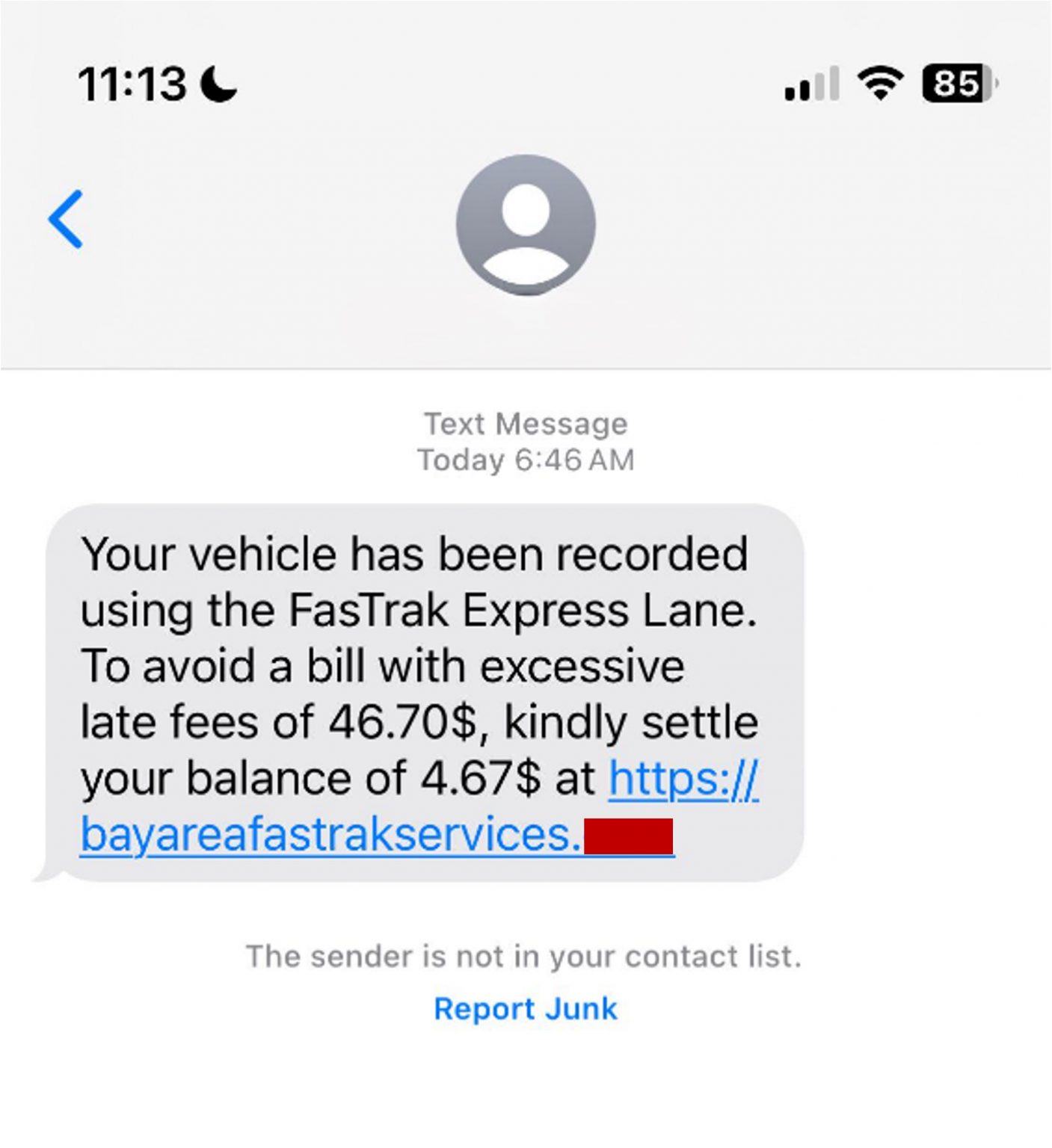
Fastrak Lane Scam: The Truth Behind The Controversy - Fastrak lanes are designated toll lanes designed to offer drivers a faster, more efficient way to navigate highways. These lanes are typically equipped with electronic toll collection systems that allow drivers to pay tolls without stopping. The primary goal of Fastrak lanes is to reduce congestion and improve traffic flow. The concept of Fastrak lanes dates back to the early 2000s when transportation authorities began exploring ways to improve traffic management. The first Fastrak system was implemented in California, USA, as part of a broader initiative to enhance highway efficiency. Since then, Fastrak lanes have been adopted in various regions worldwide, each with its unique implementation and challenges.
Fastrak lanes are designated toll lanes designed to offer drivers a faster, more efficient way to navigate highways. These lanes are typically equipped with electronic toll collection systems that allow drivers to pay tolls without stopping. The primary goal of Fastrak lanes is to reduce congestion and improve traffic flow.
We encourage readers to share this article with others and stay informed about developments in the field. Together, we can work towards a safer and more efficient commuting experience for all. For further reading, explore our other articles on transportation and cybersecurity topics.
In recent years, the term "Fastrak Lane Scam" has sparked heated debates and concerns among drivers and commuters worldwide. This issue has become a focal point for discussions surrounding toll road management, consumer rights, and transparency in public services. Understanding the controversy requires a deep dive into the specifics of Fastrak lanes and their alleged misuse or mismanagement.
By understanding these scams, drivers can take proactive steps to protect themselves. In the following section, we will provide prevention tips to help drivers stay safe.
Authorities have taken significant steps to combat Fastrak lane scams and protect drivers. Legal actions include prosecuting scammers, implementing stricter security measures, and educating the public about potential risks. These efforts aim to restore trust in the Fastrak system and ensure a safe commuting experience for all users.
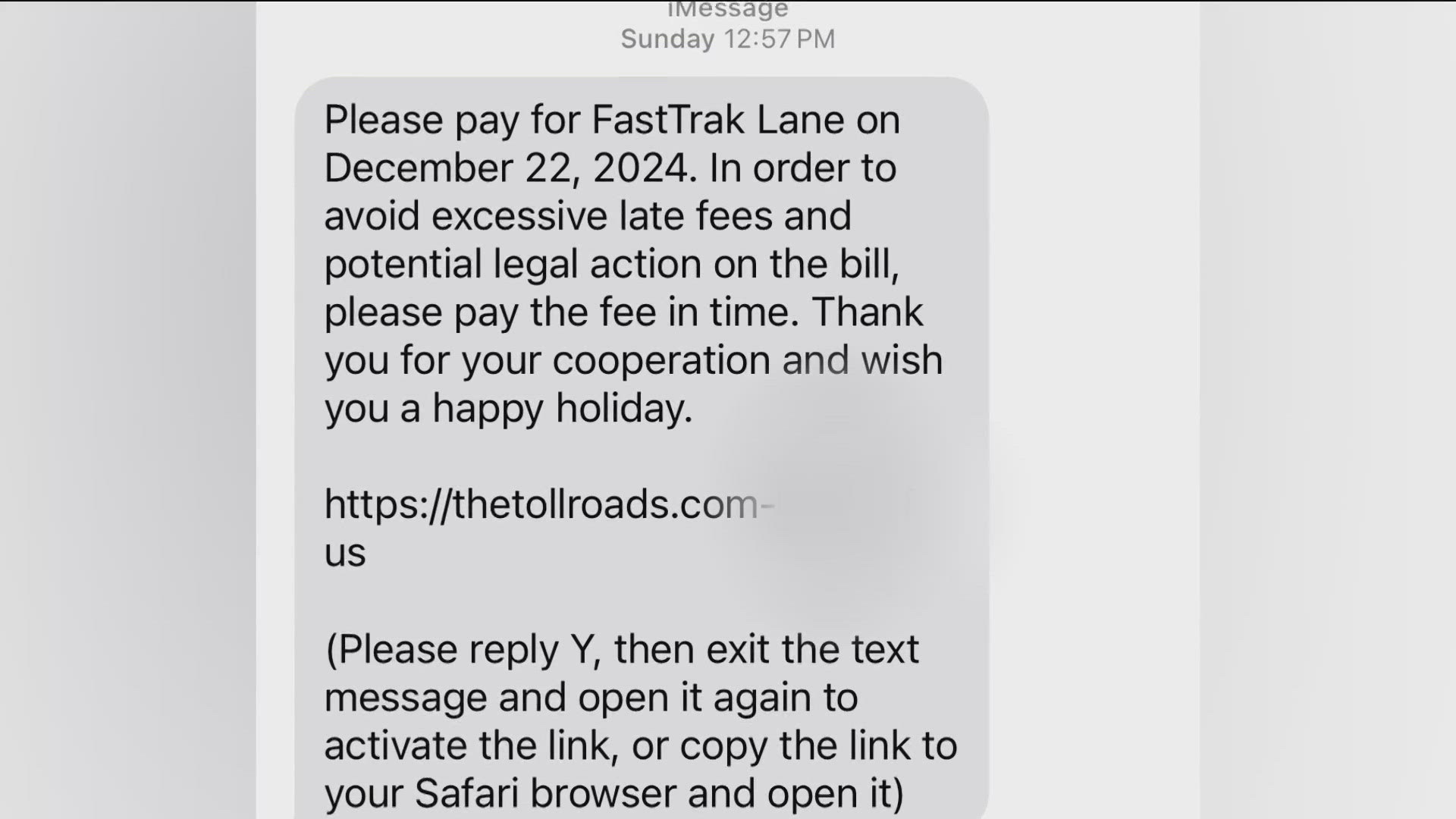
Fastrak lanes operate using a combination of electronic toll collection systems and transponders installed in vehicles. When a vehicle enters a Fastrak lane, the transponder communicates with a reader at the toll booth, deducting the appropriate fee from the driver's account. This process is designed to be seamless and efficient, minimizing delays and reducing congestion.
Scammers often exploit the complexities of the Fastrak system to deceive unsuspecting drivers. Below are some common types of scams associated with Fastrak lanes:
By following these tips, drivers can significantly reduce their risk of falling victim to scams. In the next section, we will explore legal actions taken against scammers and their impact on the Fastrak system.
Fastrak lane scams come in various forms, each targeting different aspects of the system. Below are some of the most prevalent scams drivers should be aware of:
Some scammers sell counterfeit Fastrak transponders, which may not work properly or could lead to unauthorized charges. Drivers who purchase these devices risk facing penalties and fines.
These statistics underscore the importance of addressing the issue and implementing effective solutions to protect drivers.
While the system is designed to be user-friendly, drivers must remain vigilant to avoid falling victim to scams. In the next section, we will discuss common scams associated with Fastrak lanes and how to identify them.